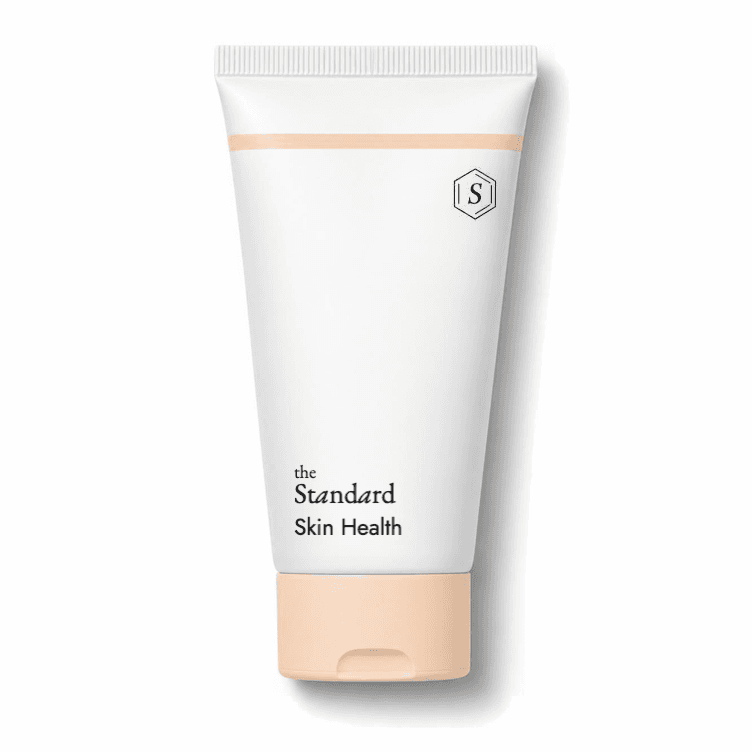
Peptide Skin Complex.
GHK-Cu + Niacinamide + Hyaluronic acid
Three clinical skin ingredients in one prescription cream. Research shows they smooth fine lines, fade dark spots, and deeply hydrate skin.
Seeing fine lines deepen, stubborn dark spots linger, or skin look dull and dehydrated no matter how many serums you layer? As you age, your skin produces less collagen and loses moisture faster. Peptide Skin Complex combines GHK-Cu copper peptide, niacinamide, and hyaluronic acid in one prescription cream reviewed online by a licensed medical provider and compounded to order by a 503A pharmacy.
$149 first month regular price $185/mo
Ships to all 50 states and Washington, DC.
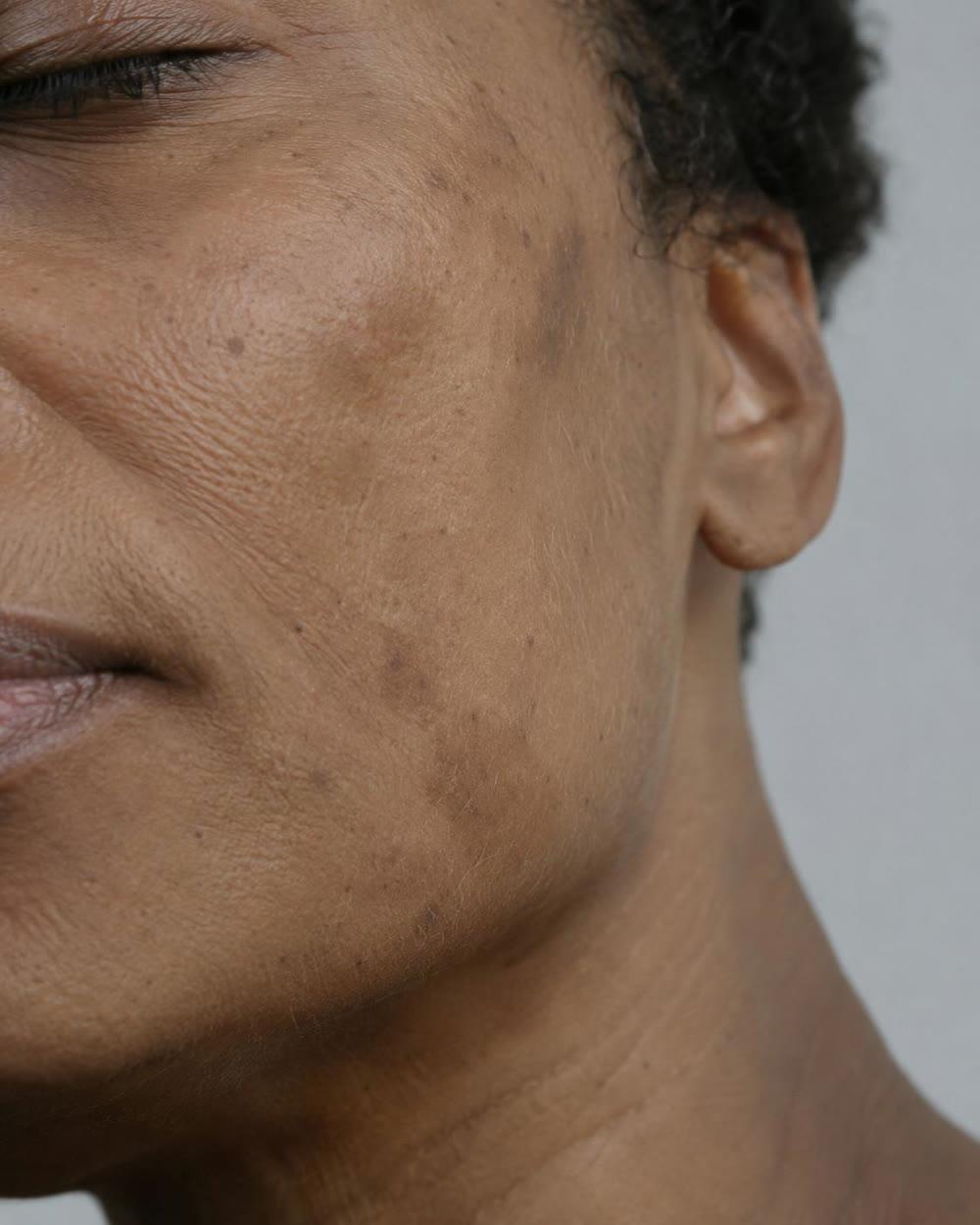
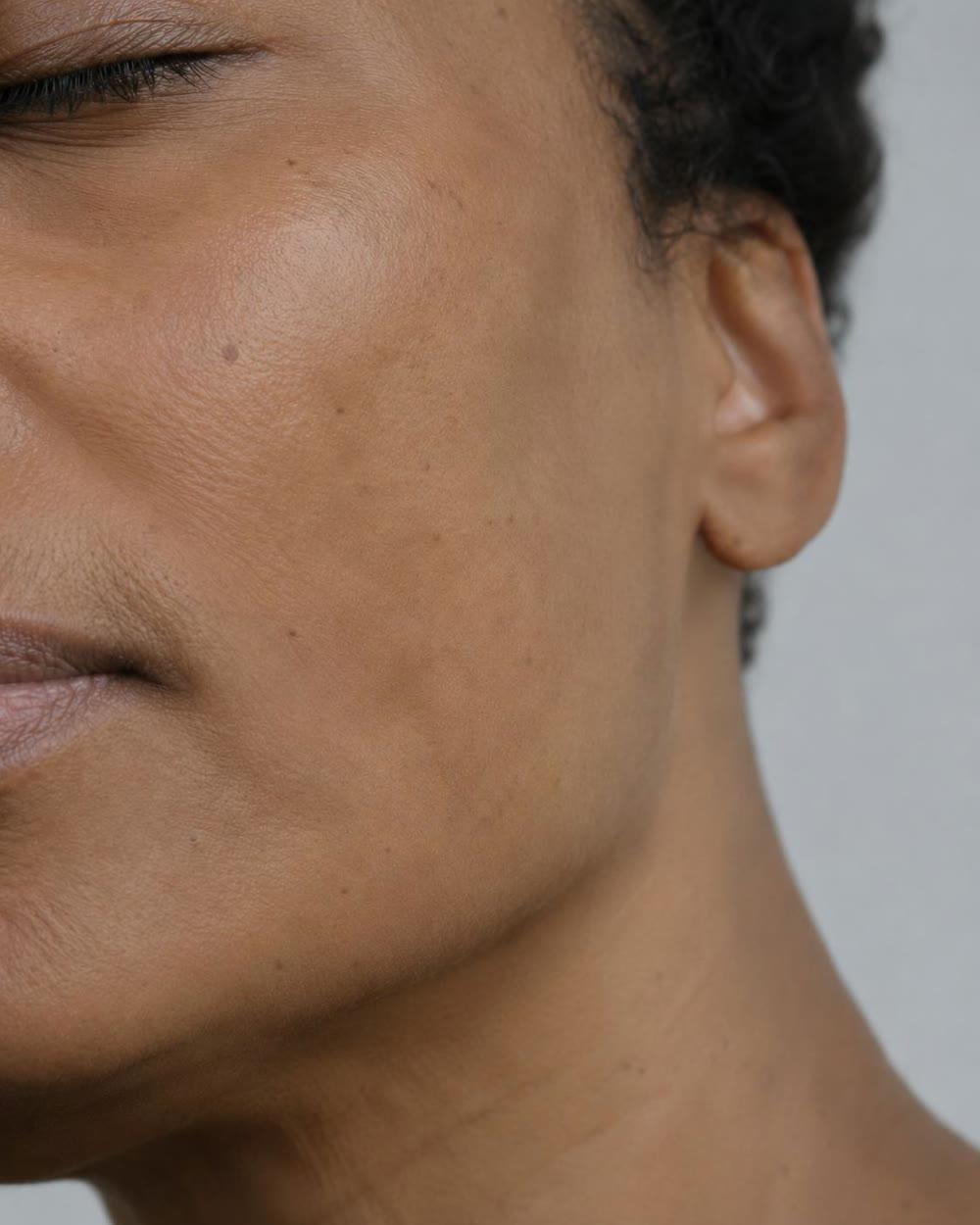
From dark spots to an even tone.
What the studies found.
Each ingredient was tested in its own controlled trial, against the same product without it.
- Wrinkle volume, vs. the same serum without GHK-Cu55.8% less
- Wrinkle depth, vs. the same serum without GHK-Cu32.8% less
- Wrinkle volume, vs. a Matrixyl 3000 product31.6% less
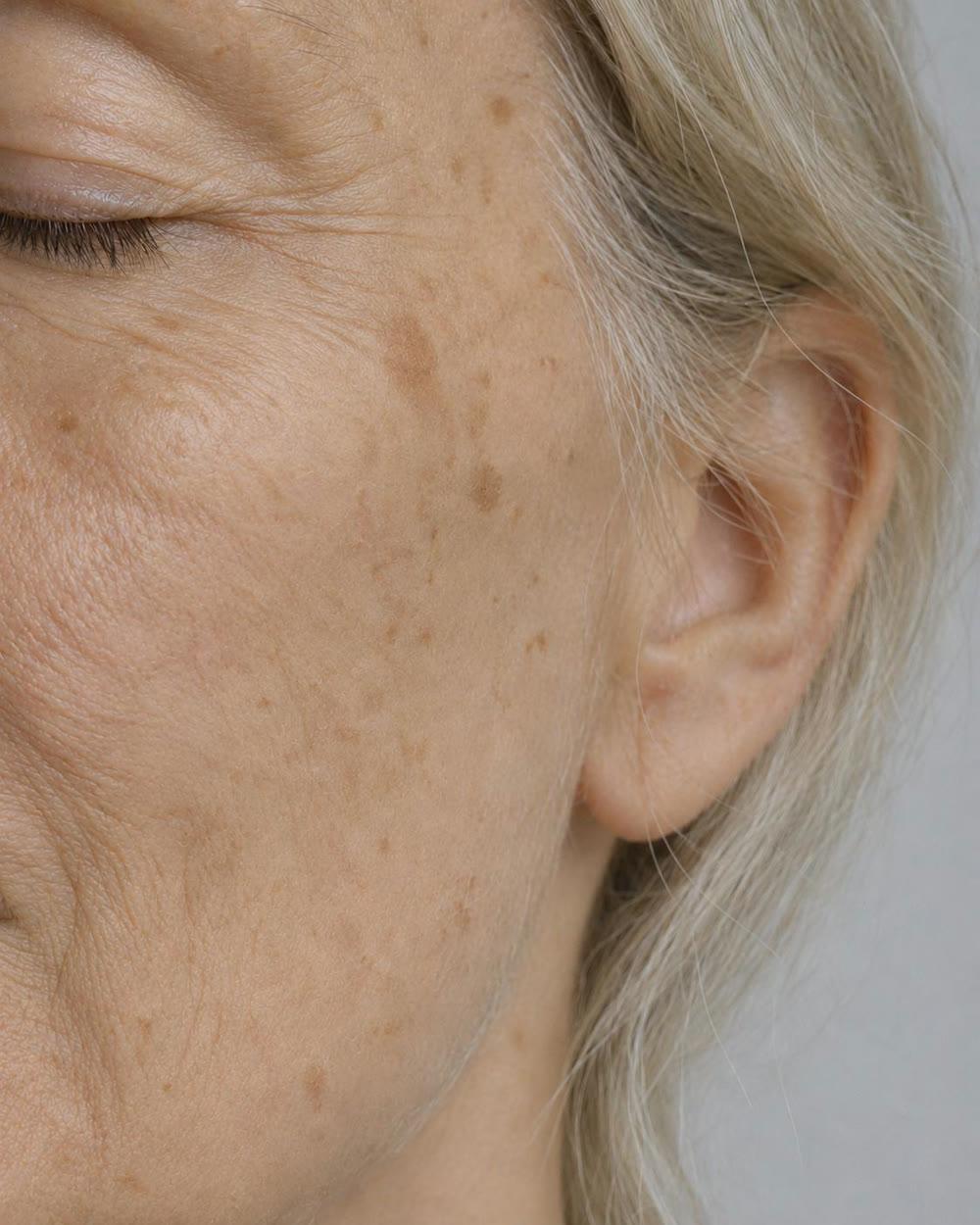
In a study of a GHK-Cu serum: 56% less wrinkle volume than the same serum without it.
In a randomized, double-blind trial, 40 women aged 40 to 65 applied a GHK-Cu serum twice a day for 8 weeks. It was compared with the same serum without GHK-Cu, and with a product containing Matrixyl 3000, another peptide.
The study used GHK-Cu in a nano-carrier serum and didn’t publish its strength.
What each ingredient does.
A copper peptide your body makes. It’s in everyone’s blood, and the amount drops as you age. Research shows GHK-Cu smooths wrinkles and helps skin make collagen, the protein that keeps it firm.
In a study of a GHK-Cu serum, 40 women saw 55.8% less wrinkle volume than with the same serum without GHK-Cu, over 8 weeks. In the lab, GHK-Cu raised the collagen and elastin made by human skin cells.
A form of vitamin B3. Research shows niacinamide fades dark spots, calms redness and reduces fine lines, for a more even skin tone.
In a trial of 50 women, 5% niacinamide reduced fine lines and wrinkles, dark spots and red blotchiness against the same product without it, over 12 weeks.
A molecule your skin makes to hold on to water. Research shows hyaluronic acid improves hydration and elasticity, the bounce that keeps skin looking smooth.
In a trial of 76 women, 0.1% hyaluronic acid raised skin hydration and elasticity against a plain cream, over 60 days. The smaller sizes also reduced wrinkle depth.
How it works.
Explore other treatments
View all →Common questions.
What is Peptide Skin Complex?
A prescription face cream combining three research-backed ingredients for aging skin. Research shows GHK-Cu smooths wrinkles, niacinamide fades dark spots and redness, and hyaluronic acid hydrates skin. A state-licensed 503A pharmacy compounds it to order for your prescription.
How is it different from GHK-Cu Cream?
GHK-Cu Cream is standalone GHK-Cu at a personalized strength your provider selects. Peptide Skin Complex pairs GHK-Cu with niacinamide for dark spots and redness plus hyaluronic acid for hydration in one 3-in-1 formula.
How do I use it?
Apply to clean, dry skin as your provider directs. Your prescription label specifies how much to apply and how often.
Can I use it with tretinoin?
Only if your provider clears both for the same area. Share every prescription topical you use during your intake.
What are the side effects?
Mild redness, stinging, itching, or dryness where applied. Pause use and message your provider if irritation persists.
Who shouldn’t use it?
Anyone sensitive to copper, niacinamide, or hyaluronic acid, anyone with broken, sunburned, or infected skin at the application site, and anyone pregnant, planning a pregnancy, or breastfeeding. Your provider reviews your history first.
What does the monthly price cover?
Your provider consultation, your compounded cream, and refills to your prescription. You see the exact total due today before checkout, and payment is collected before clinical review.
Payment is collected before clinical review. You’ll see the total due today before you pay. No refunds or returns once your prescription goes to the pharmacy.
Compounded drugs are not FDA-approved. FDA does not review compounded drugs for safety, effectiveness, or quality. Not a generic version of any brand-name drug. Rx only. A licensed medical provider decides whether it’s appropriate for you.
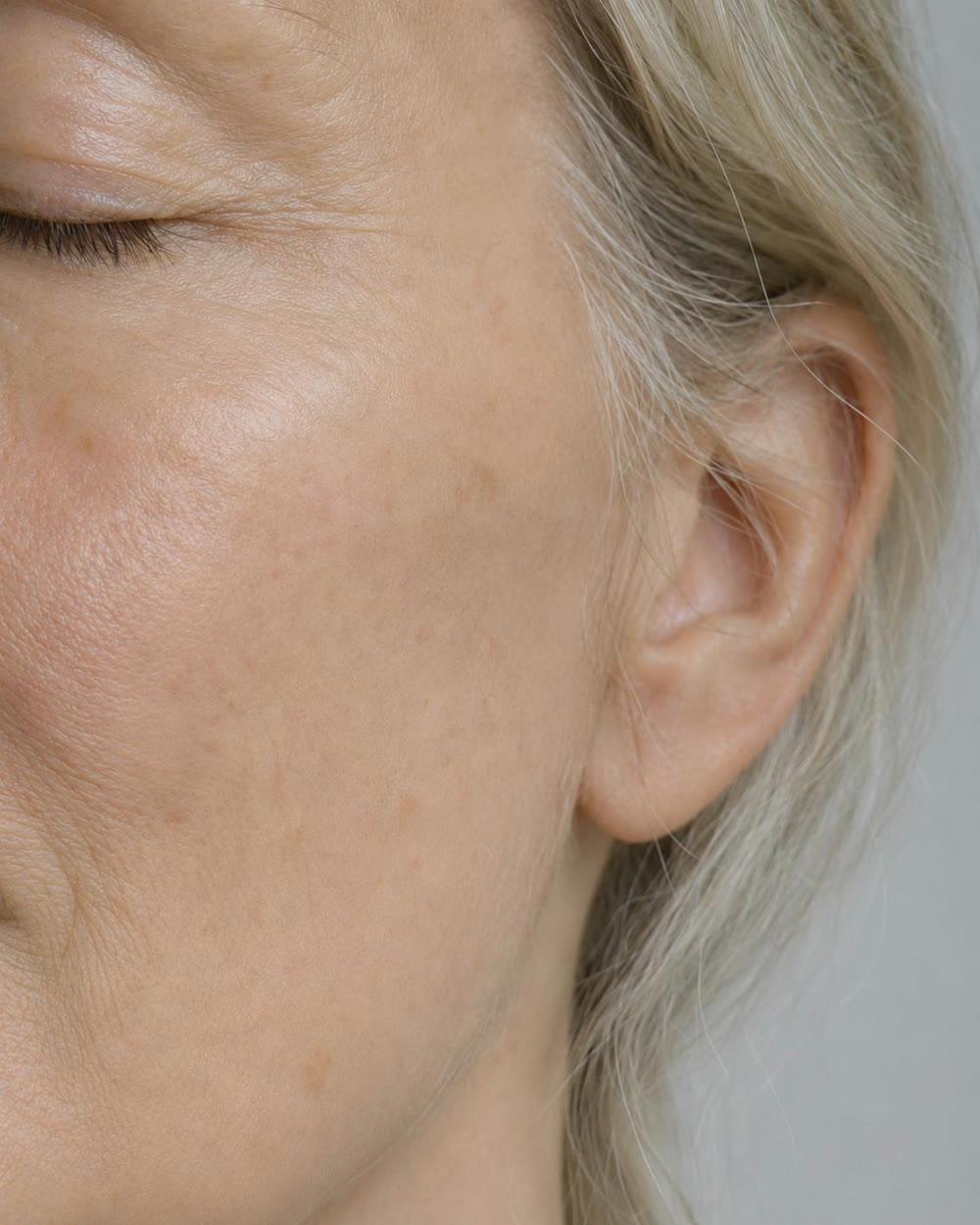
Skin photos on this page are illustrations of a skin concern and a goal. They are not customer photos. Individual results vary.