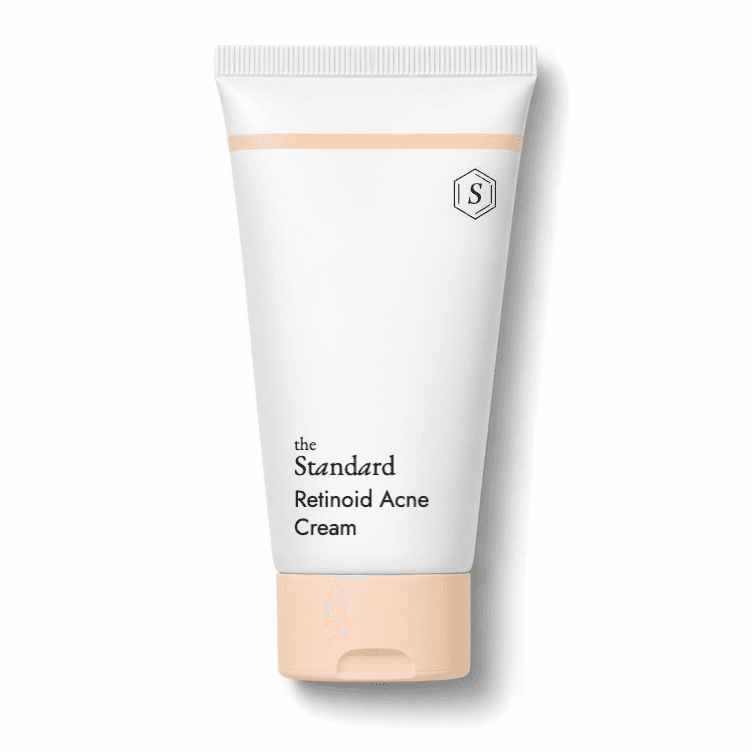
Retinoid Acne Cream.
Tretinoin + Clindamycin + Spironolactone
Three acne ingredients in one prescription cream. Research shows tretinoin with clindamycin reduces acne spots more than either one alone. Spironolactone may help reduce spots too.
Tired of drugstore washes that dry your face out while stubborn breakouts keep coming back? Adult and hormonal acne involve clogged pores, excess oil, and bacteria all at once. This 3-in-1 prescription night cream targets all three with tretinoin, clindamycin, and topical spironolactone, compounded to order by a 503A pharmacy and personalized by your provider.
$89 / month
Ships to every state except AL, AR, CA, FL, KY, and SC.
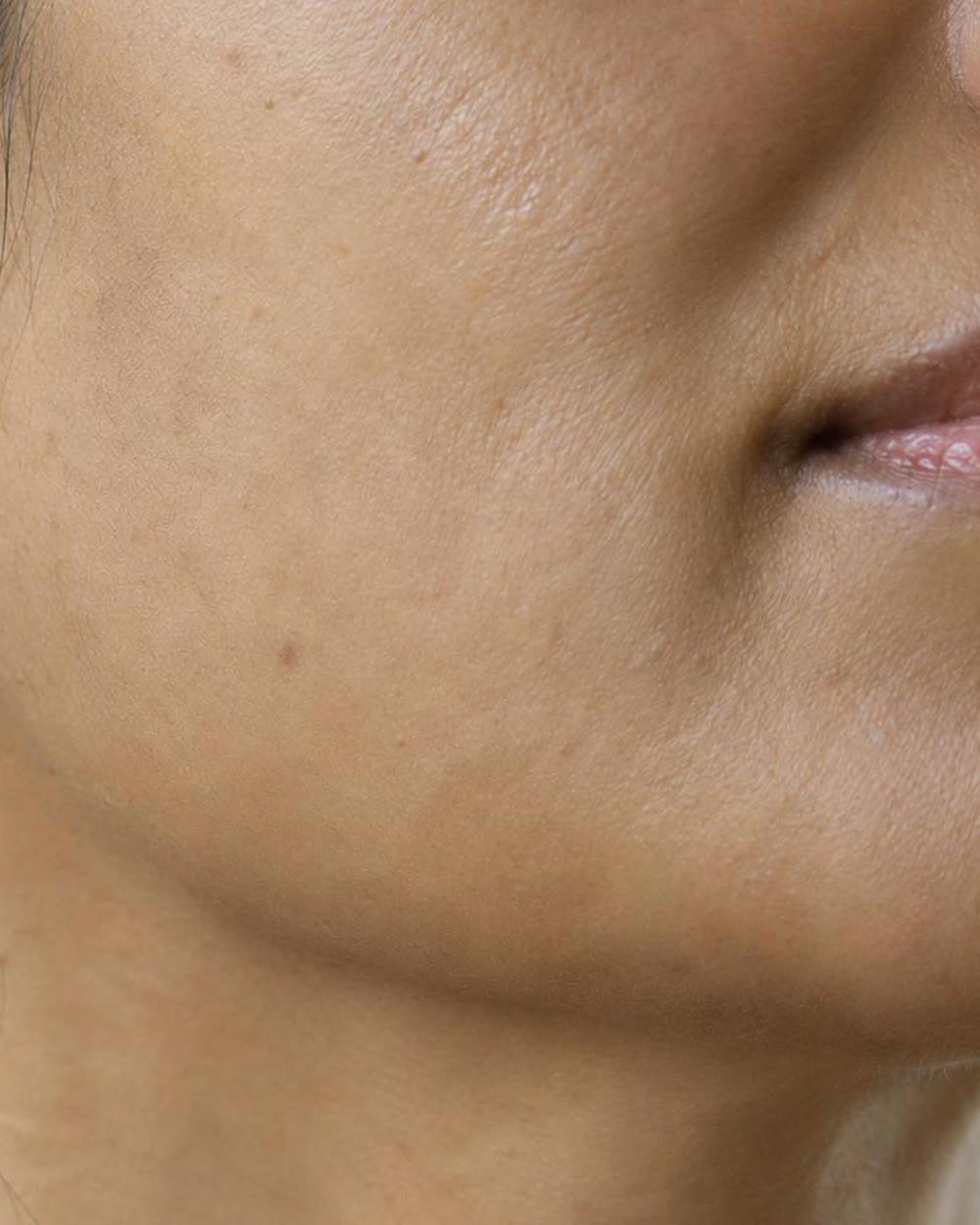
From breakouts to clear skin.
What the studies found.
Both were controlled trials, against a plain or placebo gel.
- Red, swollen spots, vs. each alone and a plain gelFewer
- Blackheads and whiteheads, vs. each alone and a plain gelFewer
- All spots, vs. each alone and a plain gelFewer
- Clear or almost clear skinMore people
In two trials of clindamycin with tretinoin: fewer spots than with either one alone.
In two randomized, double-blind trials, 2,219 people with acne used a once-daily gel of clindamycin and tretinoin, clindamycin alone, tretinoin alone or a plain gel for 12 weeks.
The study used a gel with 1% clindamycin and 0.025% tretinoin. Most people in it (82.6%) started with grade 2 or 3 acne, so the results may not hold for more severe acne.
What each ingredient does.
A prescription retinoid, the active form of vitamin A, and stronger than over-the-counter retinol. It speeds up how fast skin renews itself. Tretinoin may help clear acne, on its own and with clindamycin.
In two 12-week trials of 2,219 people with acne, tretinoin with clindamycin reduced spots more than tretinoin alone, clindamycin alone or a plain gel.
An antibiotic you put on your skin. It works against the bacteria behind red, swollen acne spots.
In the same two trials, more people had clear or almost clear skin with clindamycin and tretinoin together than with either one alone or a plain gel.
A medicine that blocks androgens, the hormones that drive skin oil. On skin, spironolactone may help reduce spots in mild to moderate acne.
In a trial of 78 people with mild to moderate acne, a 5% spironolactone gel lowered the total number of spots against a placebo gel. The acne severity score didn’t differ significantly.
How to get the best start.
Tretinoin speeds up surface renewal, so starting gradually keeps your skin comfortable. Follow the personalized schedule your provider gives you and wear broad-spectrum SPF every morning.
- 01Nightly on clean, dry skin
Start gradually as your provider directs: a few nights a week at first, then nightly.
- 02Expect a short adjustment window
Mild dryness, peeling, or redness for about 2 to 4 weeks is common. Moisturize well while skin adapts.
- 03Daily broad-spectrum SPF is required
Apply sunscreen every morning while using this cream.
- 04Not for pregnancy, trying to conceive, or breastfeeding
Tell your provider if any of these apply to you.
- 05Stop if you get severe diarrhea
Clindamycin is an antibiotic, and even used on the skin it can rarely inflame the bowel (colitis). Stop using it and contact your provider if you get severe or bloody diarrhea.
- 06Reviewed by a licensed medical provider
A licensed medical provider reviews your health history and personalizes your prescription.
- 07Compounded to your prescription
Prepared to order by a state-licensed 503A pharmacy.
How it works.
Explore other treatments
View all →Common questions.
What is Retinoid Acne Cream?
A 3-in-1 prescription acne night cream combining tretinoin, clindamycin, and spironolactone, compounded to order by a state-licensed 503A pharmacy.
How do I use it?
At night on clean, dry skin as your provider directs. Most patients start a few nights a week and build up gradually. Wear broad-spectrum SPF every day.
What are the side effects?
Dryness, peeling, redness, or stinging where applied, most often in the first 2 to 4 weeks. Your skin also burns more easily in the sun. Pause use and contact your provider if irritation gets worse or doesn’t settle, or if you get severe or bloody diarrhea.
Who shouldn’t use it?
Anyone pregnant, trying to conceive or breastfeeding, anyone with Crohn’s disease, ulcerative colitis or colitis after antibiotics, anyone sensitive to an ingredient in it, and anyone with sunburned, broken, or irritated skin at the application site. Your provider reviews your history first.
Can I use it with my other skin products?
Tell your provider about everything you apply to your face. Don’t layer another prescription topical on the same area unless your provider clears both.
What does the monthly price cover?
Your provider consultation, the compounded cream, and refills to your prescription. You see the exact total due today before checkout, and payment is collected before clinical review.
Payment is collected before clinical review. You’ll see the total due today before you pay. No refunds or returns once your prescription goes to the pharmacy.
Compounded drugs are not FDA-approved. FDA does not review compounded drugs for safety, effectiveness, or quality. Not a generic version of any brand-name drug. Rx only. A licensed medical provider decides whether it’s appropriate for you.
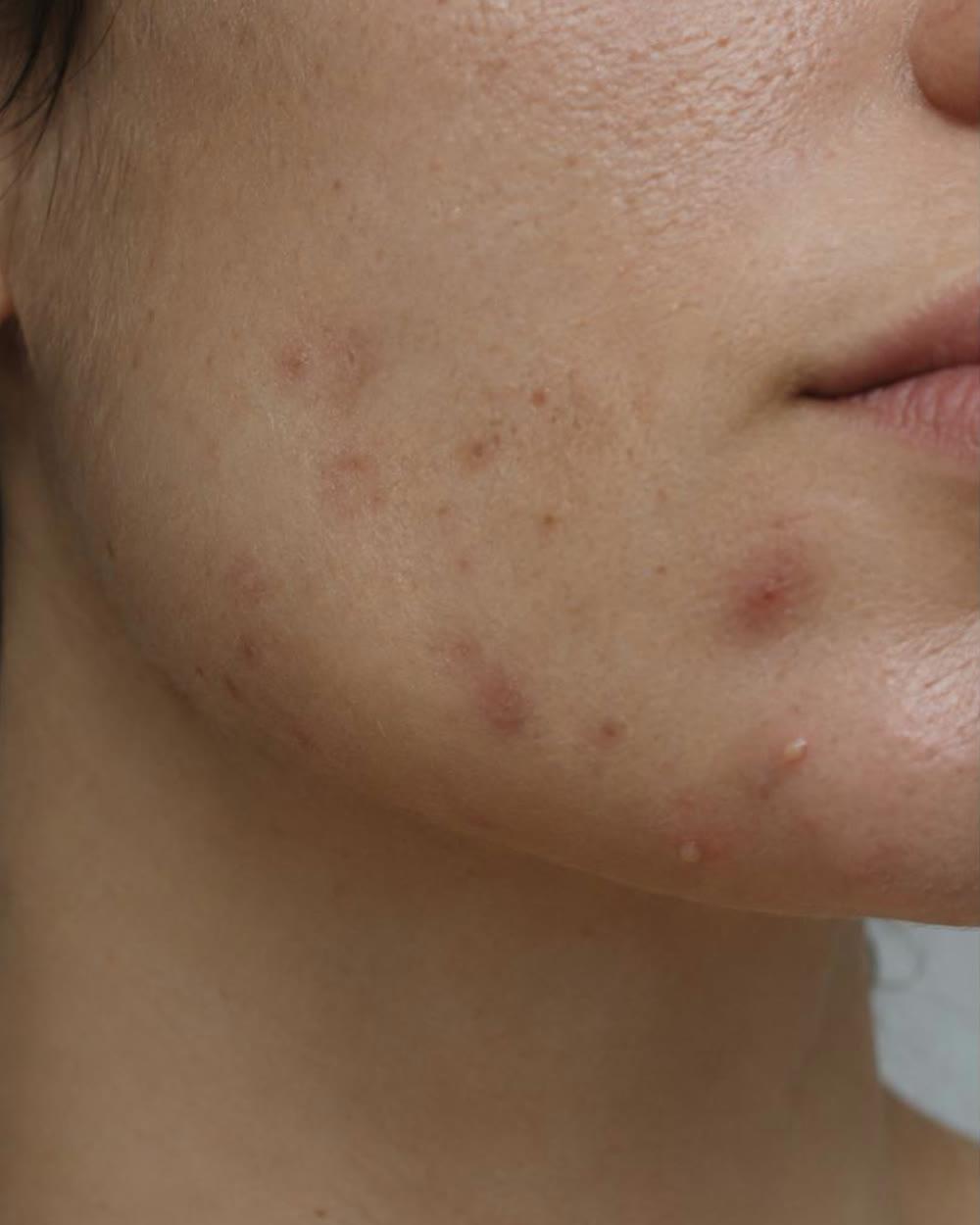
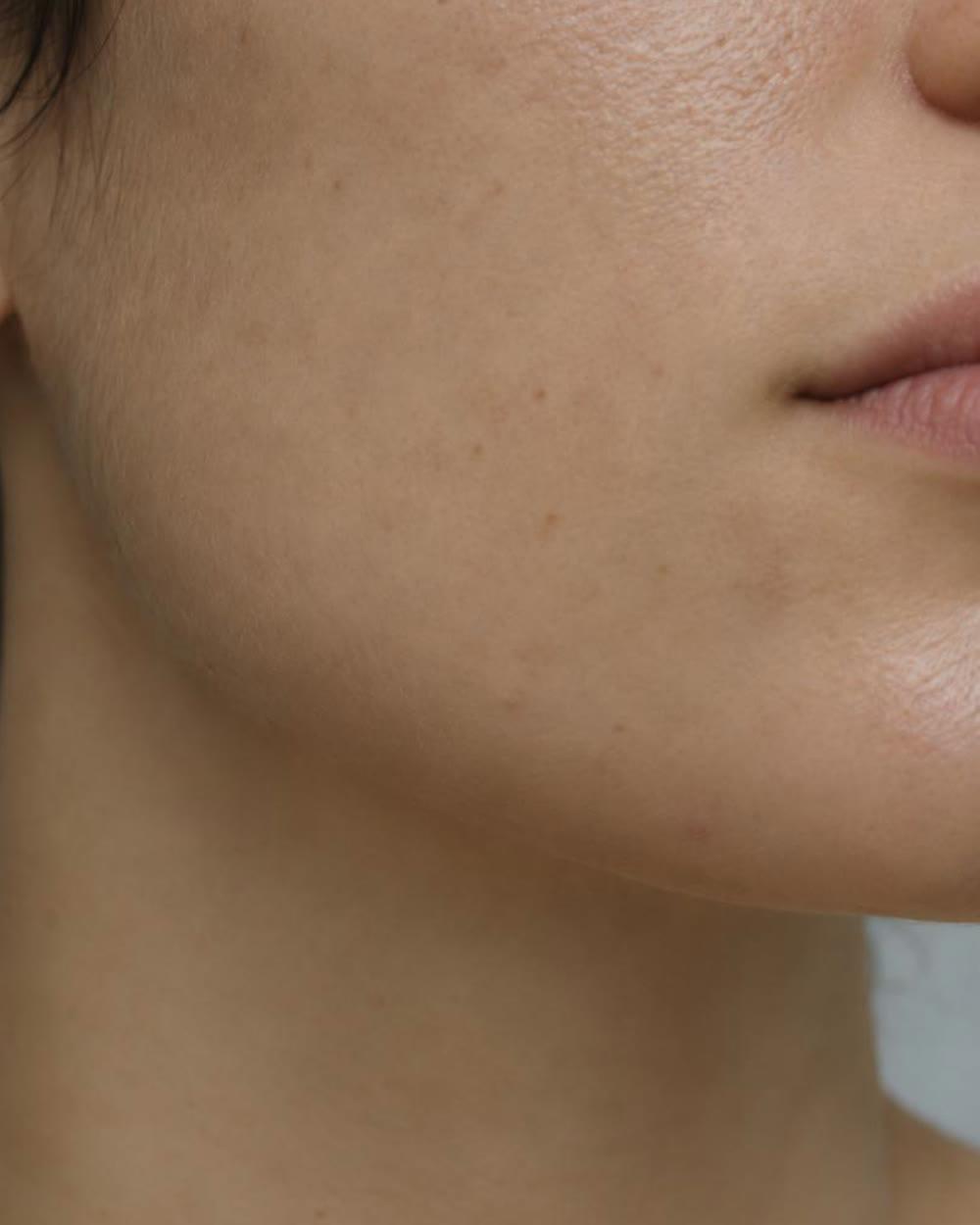
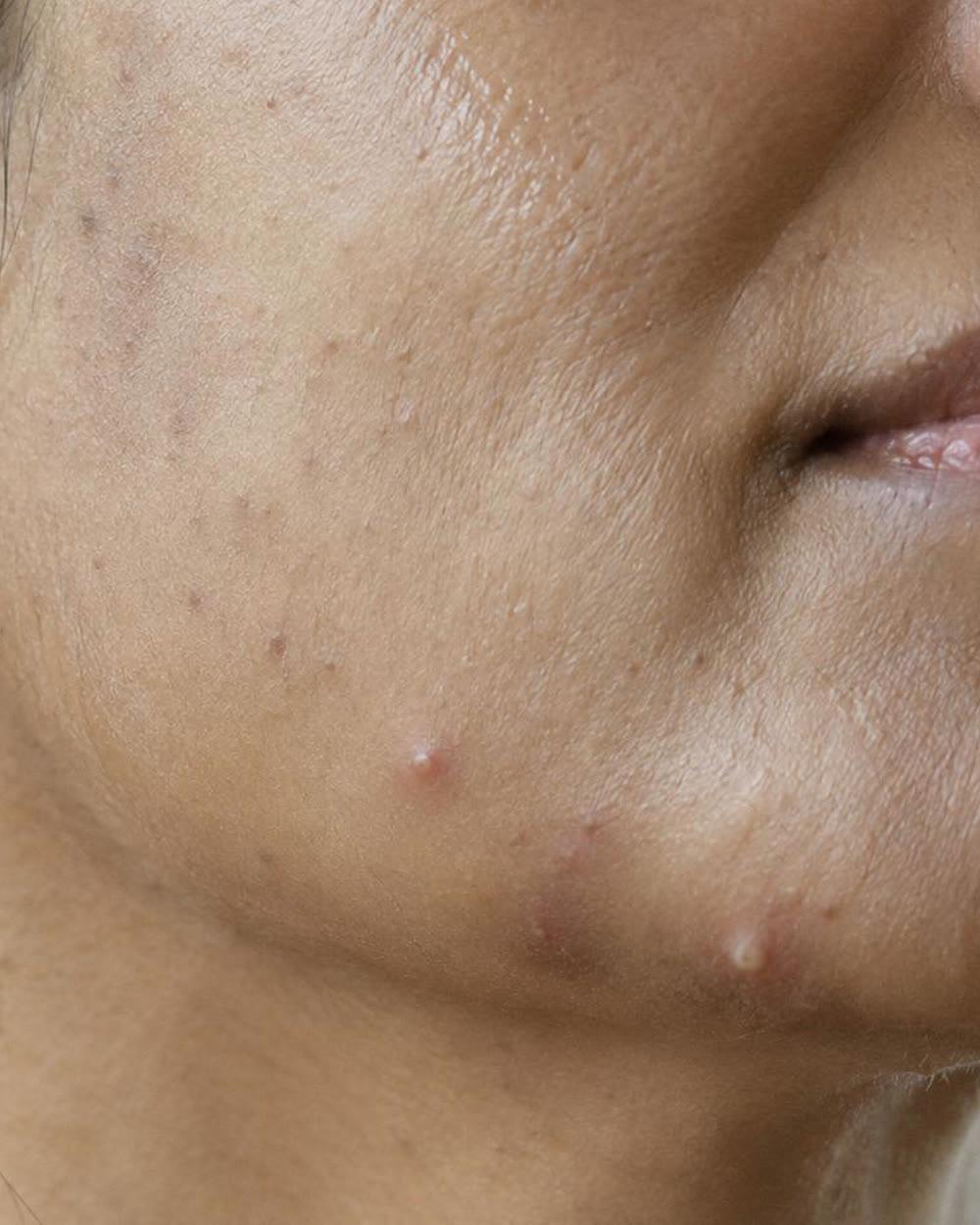
Skin photos on this page are illustrations of a skin concern and a goal. They are not customer photos. Individual results vary.